How Much Does a Van Conversion Cost?
The van conversion cost is the first question almost everyone asks before starting a build, and the honest answer is that it varies enormously. With materials and labour prices rising, most conversions now land somewhere between roughly €5,000 and €18,000 (about £4,300 to £15,500), depending on the level of comfort and the equipment you fit. This guide breaks down where the money goes so you can plan a realistic budget.
What drives the total cost?
Your final figure depends on a few key factors:
- Van size: the larger the van, the more you spend on materials and equipment.
- DIY or professional: doing the work yourself is cheaper (around €6,500 / £5,600 on average) but demands time and skills. A professional build guarantees a polished result, but the cost can climb to between roughly €8,000 and €25,000 (about £6,900 to £21,500).
- Materials and equipment: choosing high-quality materials or more advanced kit pushes the price up significantly.
The main cost areas
Here is a realistic estimate for each key part of a conversion.
1. Buying the van
A used van in good condition costs between roughly €4,000 and €18,000 (about £3,400 to £15,500). A new or high-end model can exceed €50,000 (around £43,000). Two things drive the price:
- Age and condition: an older van is cheaper to buy but may need costly repairs.
- Make and model: sought-after vans, such as the Renault Trafic or Volkswagen Transporter, tend to command higher prices.
2. Electrical system
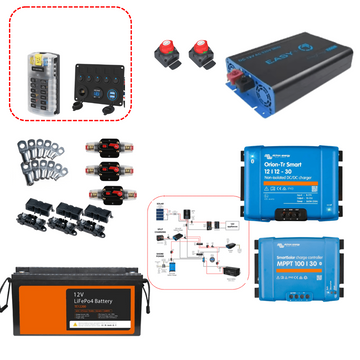
A complete electrical system, covering a leisure battery, solar and charging, typically costs between about €1,200 and €2,500 (roughly £1,000 to £2,150). This is one of the more technical parts of a build, so budget carefully and, if in doubt, have it checked by a qualified installer.
3. Plumbing
A water tank, a heater and a sink together come to around €400 to €1,000 (about £340 to £860), depending on your needs.
4. Insulation and ventilation
Good insulation is essential for thermal comfort. Depending on the materials you choose, budget between roughly €200 and €3,500 (about £170 to £3,000).
5. Fitted kitchen
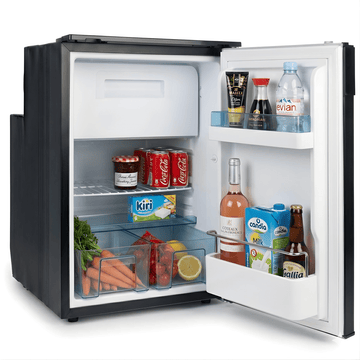
Installing a kitchenette with a fridge, a hob and storage costs between about €1,500 and €4,000 (roughly £1,300 to £3,400). High-end set-ups can reach around €6,000 (about £5,150).
DIY or professional: which should you choose?
DIY conversion
A self-build typically costs between roughly €4,000 and €12,000 (about £3,400 to £10,300). It suits hands-on people who want to control every detail while saving on labour.
- Pros: a controlled budget and total personalisation.
- Cons: it takes time and sometimes specific skills, particularly for electrics and plumbing.
Professional conversion
Hiring a professional guarantees quality work, but the average cost sits between about €9,000 and €30,000 (roughly £7,700 to £25,800).
- Pros: quality, expertise and time saved.
- Cons: a higher budget.
What about luxury builds?
For a top-of-the-range conversion, costs escalate quickly and can reach between roughly €90,000 and €150,000 (about £77,000 to £129,000), vehicle included. Features such as a built-in shower, smart-home controls and premium finishes justify these figures.
How to keep costs down
- Reuse and recycle: second-hand or reclaimed materials cut the budget noticeably.
- Keep it simple: favour functional designs and avoid costly extras you will rarely use.
- Plan carefully: set aside a 10–15% contingency for the unexpected.
The bottom line
With careful planning, a van conversion can be a rewarding project at almost any budget. Whether you tackle it yourself or hand it to a professional, the key is to create a space that genuinely fits how you travel. Break the job down area by area, price each part honestly, and keep a contingency in reserve, and you will avoid the nasty surprises that push a conversion far over budget.